How to Choose a Durable Water Bottle for Gym Use
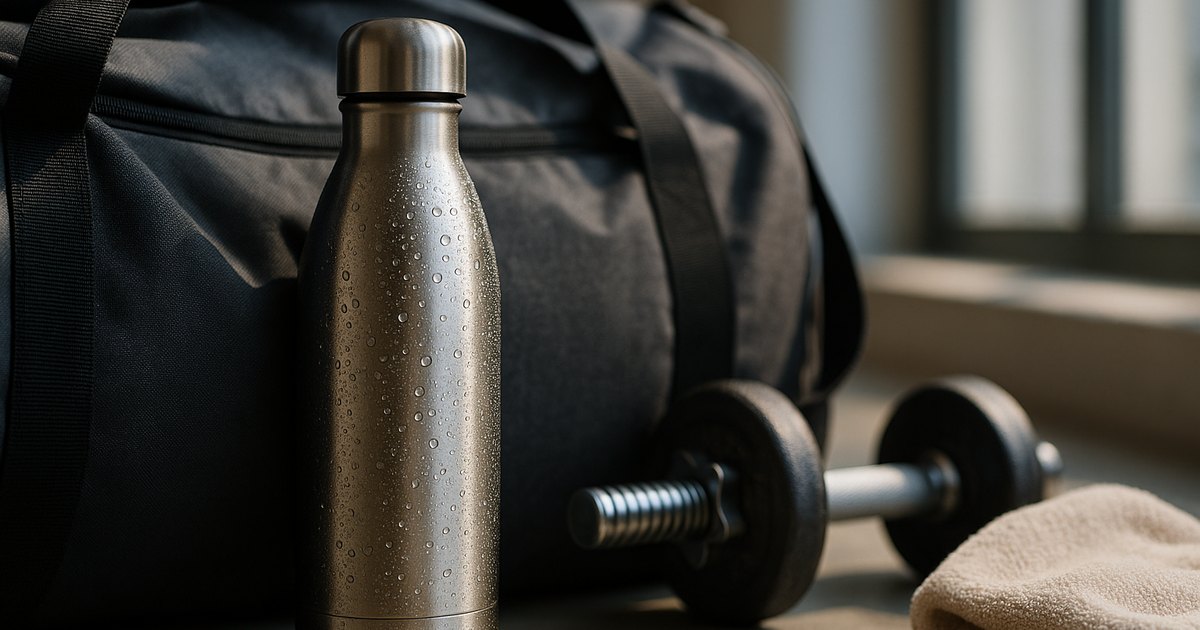
Staying hydrated during a workout is only half the battle — the other half is trusting your bottle not to crack, leak, or fall apart after a few weeks of daily use. If you are wondering how to choose a durable water bottle for gym sessions, you need to look past color and price and focus on the materials, construction, and features that actually hold up under heavy, repeated use.
A gym bottle gets dropped on hard floors, tossed into bags, exposed to sweat and cleaning cycles, and refilled multiple times a week. Not every bottle on the shelf is built for that kind of punishment, which is why understanding the details before you buy can save you money and frustration down the road.
This guide walks through everything worth considering before you spend your money, from materials and size to lids, cleaning, and long-term maintenance, so you can pick a bottle that actually survives your training routine.
Why Durability Matters for Gym Water Bottles
A flimsy bottle might look fine in the store, but gym environments are tougher than they seem. Bottles get knocked off benches, thrown into gym bags with weights and shoes, and left in hot cars between sessions. Over time, cheap plastic can crack, seals can wear out, and lids can start leaking mid-workout.
Choosing a sturdier option means fewer replacements, less wasted money, and no soggy gym bag surprises. It also usually means better performance — durable bottles tend to insulate better, seal tighter, and feel more comfortable to carry.
There's also a hygiene angle to consider. A bottle that develops small cracks or scratches over time can trap bacteria and odors, even after washing. Investing in a well-built bottle from the start helps you avoid that slow decline in quality that cheaper bottles often go through after just a few months of regular use.
How to Choose a Durable Water Bottle for Gym Workouts
When you're comparing options, it helps to break the decision down into a few practical categories: material, size, leak resistance, insulation, grip, and overall portability. Let's go through each one in detail.
Material Matters
The material of your bottle affects both durability and how it feels to use every day. Here's a quick breakdown of the most common options:
- Stainless steel: Extremely resistant to dents and cracks, doesn't retain odors, and often comes with double-wall insulation.
- Tritan plastic: A BPA-free plastic that's lighter than steel, shatter-resistant, and easier to see fill levels through.
- Aluminum: Lightweight but can dent more easily than steel, so it's better for lighter gym use rather than heavy daily drops.
- Glass with silicone sleeve: Great for taste purity but generally less practical for high-impact gym environments.
For most gym-goers, stainless steel or high-quality Tritan plastic offers the best balance of durability, weight, and price. If you want a reliable everyday option, it's worth checking out this insulated stainless steel gym bottle that's built to handle daily drops and refills.
It's also worth noting how each material ages over time. Stainless steel tends to keep its shape and finish for years, even with regular scratches from gym floors and equipment. Tritan plastic holds up well too, but it can gradually pick up scuffs and minor discoloration if it's frequently exposed to sports drinks or protein shakes. Aluminum bottles are usually lined internally to prevent flavor transfer, but that lining can wear down faster if the bottle is dropped often, which is something to keep in mind if you're rough on your gear.
Size and Capacity
Bottle size affects how often you need to refill and how heavy it feels during a workout. Consider:
- 20-24 oz: Good for short sessions or if you prefer refilling often.
- 32 oz: A popular middle ground for most gym routines.
- 40 oz or more: Useful for long training sessions or hot climates, though bulkier to carry.
If you tend to do longer workouts or hate constant refills, a larger capacity bottle like this 32 oz wide-mouth gym bottle can help you stay hydrated without interrupting your routine.
Beyond personal preference, think about how the bottle fits into your daily routine outside the gym. If you also bring it to work, school, or on errands, a mid-size bottle in the 24 to 32 oz range often strikes the best balance between convenience and hydration needs. Very large bottles are excellent for endurance training but can feel awkward to carry around all day when they're not being used for a workout.
Leak-Proof and Spill-Proof Design
Nothing ruins a gym bag faster than a leaking bottle. Look for:
- Screw-top lids with rubber gaskets
- Flip-top lids rated as leak-proof rather than just "splash-resistant"
- Locking mechanisms that prevent accidental opening in a bag
Reading product descriptions carefully, and checking user photos or reviews when available, can help confirm whether a bottle truly seals well under movement.
It also helps to think about how you use your bottle during a workout. If you toss it into a gym bag between sets, a locking flip-top lid is usually safer than a simple screw cap, since accidental bumps are less likely to pop it open. If you prefer sipping while jogging or lifting, look for a straw lid with a secure closure so it doesn't drip when tilted or stored sideways.
Insulation for Temperature Control
Double-wall vacuum insulation keeps cold water cold for hours, which is especially useful during long or hot workouts. Single-wall bottles are lighter but won't keep temperature as well. If you like ice-cold water throughout your session, an insulated design is worth the slightly higher price and weight.
Insulated bottles are also useful if you like to prep your water bottle the night before a morning workout. A well-insulated stainless steel bottle can keep ice from melting for several hours, so your water stays refreshingly cold even during a long session or a busy day of errands after the gym.
Grip, Weight, and Portability
Consider how the bottle feels in your hand during movement. Textured exteriors, silicone boots, or ergonomic shapes make it easier to grip with sweaty hands. Also check if it fits standard cup holders, gym bag pockets, or bike cages if you're active outside the gym too.
Weight matters more than people expect. A heavier insulated bottle might feel great once it's full, but carrying it empty in a bag all day can add unnecessary bulk. If portability is a priority, compare the empty weight of different bottles, not just their capacity, since two bottles of the same size can feel very different depending on wall thickness and material.
Comparison of Common Bottle Materials
| Material | Durability | Weight | Insulation |
|---|---|---|---|
| Stainless Steel | Excellent | Moderate | Usually Double-Wall |
| Tritan Plastic | Very Good | Light | Rarely Insulated |
| Aluminum | Good | Light | Sometimes Insulated |
| Glass | Fair | Heavy | Not Insulated |
Extra Features Worth Considering
Beyond the basics, a few extra features can make daily gym use more convenient:
- Measurement markings to track water intake
- Wide mouths for easy ice cube filling and cleaning
- Removable straw lids for quick sipping between sets
- Dishwasher-safe parts for easier maintenance
If you like tracking your hydration goals throughout the day, a bottle with clear measurement lines like this time-marked motivational water bottle can help you stay consistent, both at the gym and at home.
Cleaning and Long-Term Maintenance
Durability isn't just about surviving drops — it's also about how well a bottle holds up to regular cleaning. Bottles used daily for workouts need frequent washing to prevent bacteria buildup, especially if you add protein powder or electrolyte mixes.
- Choose bottles with wide mouths so you can reach every corner with a brush
- Look for dishwasher-safe lids and bodies if you want a low-maintenance option
- Avoid bottles with narrow crevices around the lid threading, since these can trap residue
- Air dry bottles fully before sealing them shut to reduce odor buildup
Taking a few extra seconds to rinse your bottle right after a workout, rather than letting it sit in a bag overnight, can significantly extend its usable life and keep it smelling fresh.
Where to Buy
You can find durable gym water bottles across major online retailers and sporting goods stores. Before purchasing, compare materials, capacity, and lid design, and always check the current price and available color or size options, since these can vary by retailer.
Sources and further reading
Independent references for checking the safety, rules and buying details covered in this guide. We are not affiliated with these organizations.
FAQ
What is the most durable material for a gym water bottle?
Stainless steel is generally the most durable option since it resists dents, cracks, and odor buildup better than plastic or glass. High-quality Tritan plastic is a lighter, shatter-resistant alternative if you prefer less weight during workouts.
How do I know if a water bottle is truly leak-proof?
Look for product descriptions that specifically state "leak-proof" rather than "spill-resistant," and check for rubber gaskets or locking lids. Customer reviews and photos can also reveal how well a bottle performs during real gym use.
Is insulation necessary for a gym water bottle?
Insulation isn't required, but it helps keep water cold during longer or more intense workouts. If you train in a hot environment or prefer cold drinks throughout your session, a double-wall insulated bottle is a worthwhile upgrade.
What size bottle is best for gym workouts?
A 32 oz bottle works well for most people, balancing enough capacity for an average session without becoming too heavy or bulky. If you train for long periods or in hot conditions, a larger 40 oz option may suit you better.
Choosing the right bottle doesn't have to be complicated once you know what to look for. By focusing on material strength, leak-proof design, proper insulation, comfortable portability, and easy cleaning, you'll have a clear answer for how to choose a durable water bottle for gym workouts that can handle daily training without letting you down.